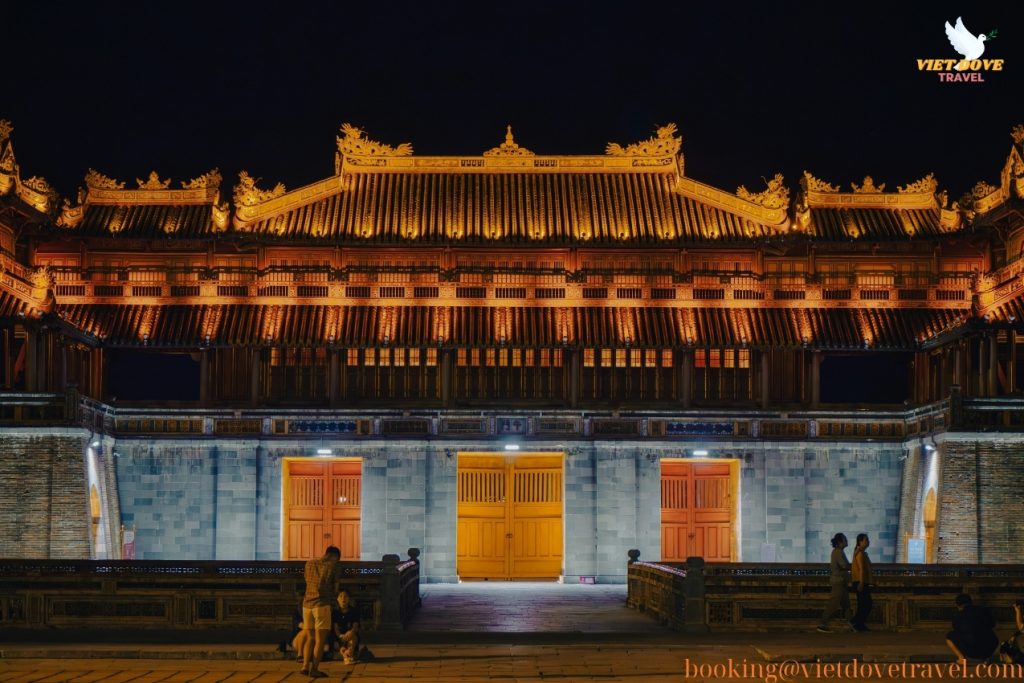
Last spring, I embarked on a journey through Central Vietnam, and one of the most memorable parts was figuring out how to travel between Da Nang and Hue efficiently. These two cities, roughly 100 kilometers apart, are vibrant hubs of culture, history, and natural beauty. Da Nang boasts modern beaches and bustling markets, while Hue, the former imperial capital, is steeped in ancient charm with its citadels and pagodas. Getting between them can be an adventure in itself if you know the best options. In this guide, I’ll share my personal experiences, practical tips, and insights to help you navigate this route smoothly, whether you’re a solo traveler or exploring with friends.
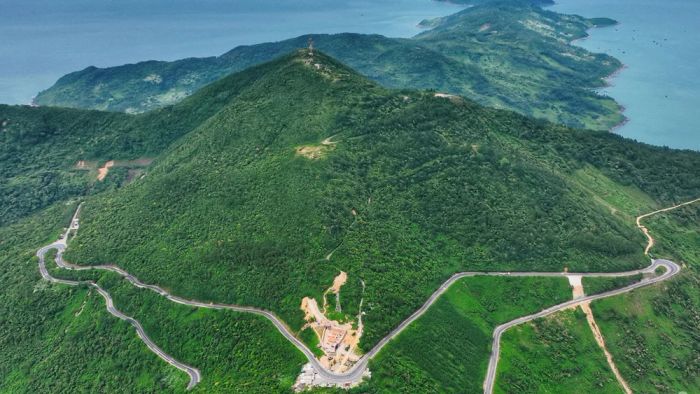
The journey between Da Nang and Hue offers stunning views, especially along the Hai Van Pass, a winding mountain road with panoramic ocean vistas. My first attempt at this route was by private car, which turned out to be a fantastic choice for flexibility. I booked a driver through a local agency, and we stopped at Marble Mountains and Lang Co Beach along the way. The drive took about 2.5 hours, but the stops made it a full morning of exploration. For those seeking how to travel between Da Nang and Hue efficiently, a private car is ideal if you want control over your schedule and photo stops. Expect to pay around $40–60 for a one-way trip, depending on the vehicle and stops.
If you prefer a more budget-friendly option, the train is a scenic and affordable choice. I took the SE1 train from Da Nang to Hue, which cost about $5 for a soft-seat ticket. The 2.5–3-hour ride hugged the coastline, offering glimpses of fishing villages and lush hills. Trains run several times daily, but I recommend booking tickets in advance through Vietnam Railways or a local agent to secure a seat. Pro tip: Opt for the morning train to enjoy the views in daylight. This is a great way to travel how to travel between Da Nang and Hue efficiently without breaking the bank, especially for solo travelers or backpackers.
Another option I explored was the local bus, which is the cheapest at around $3–4 per ticket. Buses depart frequently from Da Nang’s central bus station and take about 3–4 hours, depending on traffic. While the bus was less comfortable than the train, it gave me a chance to chat with locals and see everyday life unfold. However, buses can be crowded, and stops are less predictable, so this suits those who don’t mind a bit of adventure. For a smoother experience, check schedules with operators like Sinh Tourist.
For those who love two-wheeled adventures, renting a motorbike is a thrilling way to tackle the route. I met a group of travelers who rode from Da Nang to Hue, raving about the freedom of cruising the Hai Van Pass at their own pace. A motorbike rental costs about $10–15 per day, but you’ll need confidence navigating Vietnam’s roads and a valid license. This option is perfect for experienced riders seeking how to travel between Da Nang and Hue efficiently while soaking in the scenery. Just ensure you have a helmet and travel insurance.
If you’re short on time but want a cultural twist, consider combining your journey with a local experience. I joined the Lantern Making & Basket Boat Half day Private Tour From Hoi An & Danang, which starts in Da Nang and includes a stop in Hoi An before heading toward Hue. This tour let me craft a traditional lantern and paddle a basket boat through coconut forests, adding a memorable cultural layer to the trip.

Timing your trip is key to efficiency. I found early mornings or late afternoons best for avoiding traffic and heat, especially if driving or riding. The Hai Van Pass can get foggy, so check weather forecasts. If you’re traveling during the rainy season (October–December), pack a raincoat and allow extra time for delays. Regardless of your transport choice, how to travel between Da Nang and Hue efficiently hinges on planning—book tickets or rentals in advance and have a map app like Maps.me for offline navigation.
One of my favorite moments was a spontaneous stop at a roadside cafe overlooking the ocean. Sipping coconut water while watching waves crash below was a perfect break. These small detours make the journey as rewarding as the destination. Hue’s imperial palaces and Da Nang’s vibrant nightlife are worth the trip, but the road between them is a destination in itself.
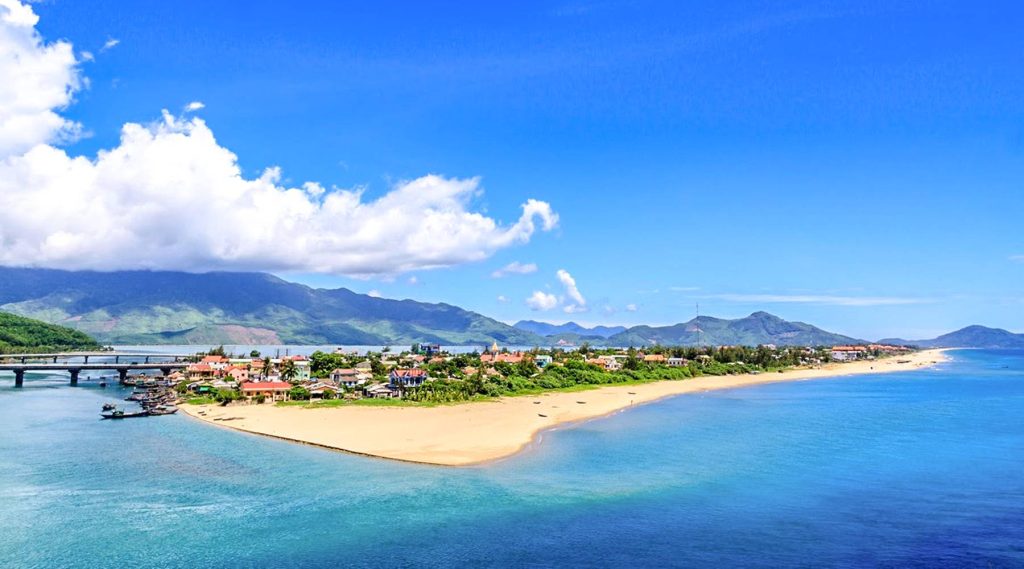
For those worried about logistics, rest assured that both cities are tourist-friendly. Da Nang’s international airport and Hue’s smaller Phu Bai Airport make arrivals easy, and hotels often arrange transfers. If you’re staying in Hoi An, a midway point, you can easily incorporate this route into a broader itinerary. I recommend spending at least a day in each city to soak in their unique vibes—Da Nang’s modern energy and Hue’s historical depth.
Safety is another consideration. Vietnam’s roads are generally safe, but the Hai Van Pass has sharp curves, so choose a reputable driver or tour if you’re not comfortable driving. For trains and buses, keep an eye on your belongings, as pickpocketing can occur in busy stations. Solo travelers, like me, will find locals warm and helpful, often eager to share tips or directions.
As I reflect on my journey, how to travel between Da Nang and Hue efficiently is about balancing convenience, cost, and experience. Whether you choose the train’s scenic route, a motorbike’s freedom, or a private car’s comfort, the journey offers a glimpse into Vietnam’s soul. For those wanting to enrich their trip, consider exploring nearby Hoi An with a Lantern Making & Basket Boat Half day Private Tour From Hoi An & Danang. It’s a delightful way to weave cultural discoveries into your travel plans, making your Central Vietnam adventure truly unforgettable.