As a travel enthusiast who’s wandered the globe for over a decade, I’ve learned that the magic of a destination often lies in its quiet moments—the ones where you can hear the waves crash without a crowd in sight. Central Vietnam, with its stunning blend of beaches, ancient temples, and misty mountains, is no exception. But timing is everything. If you’re wondering when to visit Central Vietnam for fewer tourists, let me share my personal tale of dodging the hordes and rediscovering serenity in this coastal gem.
I remember my first trip to Hoi An in peak season: lantern-lit streets buzzing with selfie sticks and tour groups. It was enchanting, but exhausting. Fast-forward to my off-peak adventure, and it felt like I’d unlocked a secret world. The key? Shoulder seasons and rainy months, when the weather adds a poetic touch without the masses.
Shoulder Seasons: March to April and September to October
These are my top picks for that sweet spot of mild weather and sparse crowds. In March and April, the spring air is crisp, with temperatures hovering around 25-30°C (77-86°F). The rice paddies glow emerald, and the beaches of Da Nang stretch out invitingly empty. I strolled My Khe Beach at dawn, the only footprints mine, sipping fresh coconut water as fishermen hauled in their catch.
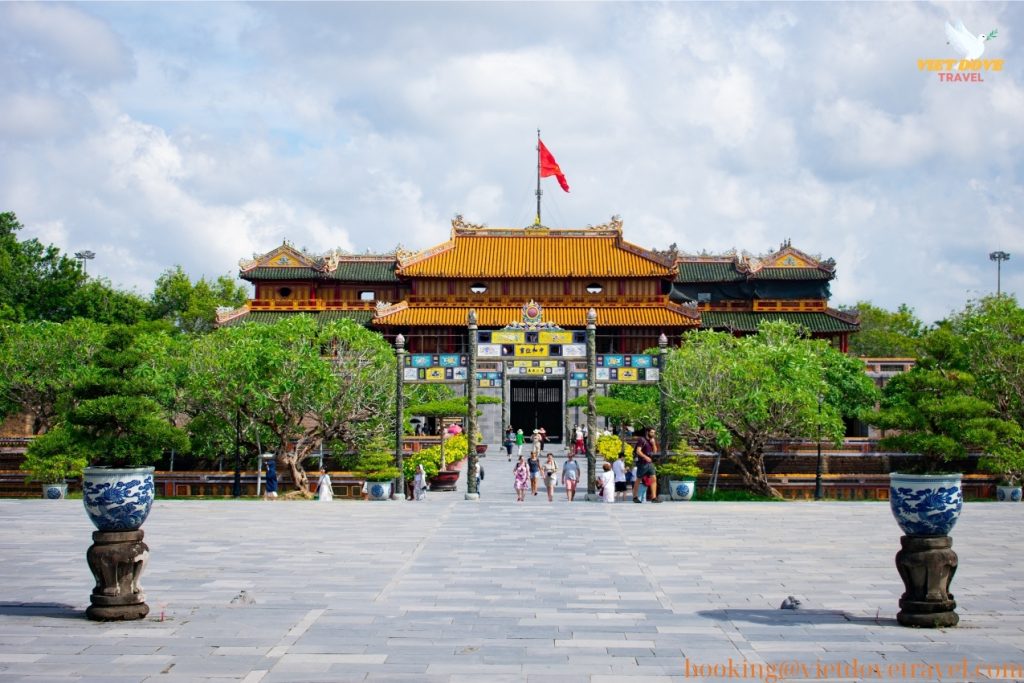
Come September and October, post-monsoon freshness sets in. Humidity dips, and the landscape bursts with wildflowers. This is prime time for exploring Hue’s imperial citadel without elbowing through lines. On my last visit, I wandered the Perfume River’s banks, the air scented with frangipani, feeling like the last explorer in a forgotten kingdom.
Rainy Season Magic: May to August
Don’t let “rainy season” scare you—it’s Central Vietnam’s best-kept secret for solitude. Showers are short and refreshing, often leaving behind rainbows over the karsts. May and June bring lush greenery, perfect for hiking in Bach Ma National Park, where waterfalls roar without a soul around.
By July and August, the crowds thin even more as families head back to school. I based myself in Hoi An during a July downpour, curling up with a book in a café overlooking the Thu Bon River. When the sun peeked out, the town transformed into a watercolor painting. Pro tip: Pack a lightweight poncho and embrace the spontaneity—it’s when locals shine, sharing stories over steaming bowls of cao lau.
Of course, exploring these quieter times means planning smart day trips. For instance, if you’re staying in Hoi An, a Da Nang City Tour from Hoi An & Da Nang lets you zip over to the Marble Mountains and Dragon Bridge without the rush. Or venture north for a Hue City Full Day Private Tour from Hoi An & Da Nang, where the Forbidden City’s echoes feel intimately yours.
Why Skip Peak Season? (And What to Pack)
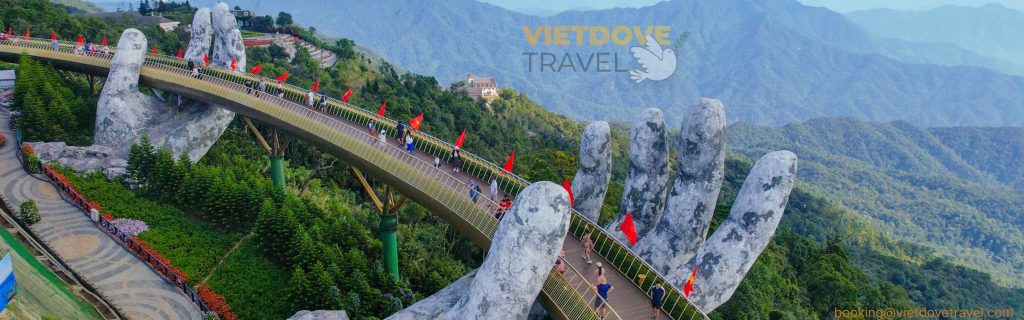
November to February draws the backpackers and honeymooners, swelling sites like the Golden Bridge at Ba Na Hills. I tried it once—queues snaked for hours under that iconic hand sculpture. Instead, save it for a low-season jaunt. A Ba Na Hills & Golden Hand Bridge Full Day Private Tour from Hoi An & Da Nang in May meant misty cable car rides and zero waits, turning fantasy into reality.
Beyond timing, pack versatile layers, waterproof shoes, and an open heart. Fewer tourists mean more genuine connections—with street vendors hawking the freshest banh mi or monks chanting at unseen temples.
In the end, when to visit Central Vietnam for fewer tourists boils down to chasing those shoulder whispers and rainy symphonies. My trips there have taught me that travel isn’t about ticking boxes; it’s about breathing deeply in places that feel like home. Ready to craft your own quiet chapter? The rivers and ruins are waiting.